Gut-Brain Axis in Appetite Equilibrium
Published February 2026 | Educational Resource
Understanding the Gut-Brain Connection
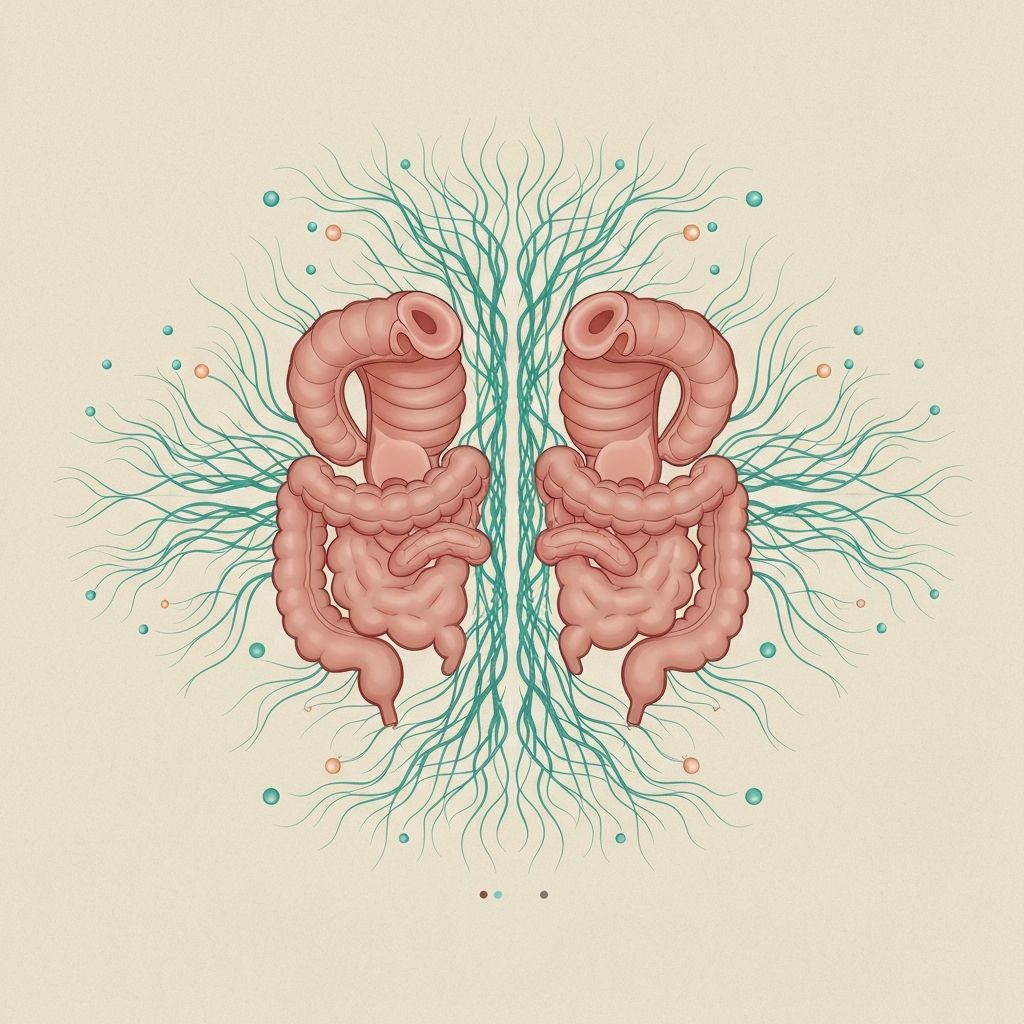
The gut and brain communicate bidirectionally through neural, hormonal, and immunological pathways. This complex communication network, termed the gut-brain axis, plays a crucial role in regulating appetite, satiety, and energy balance. Signals travel from the gut to the brain, informing it about nutrient status, while the brain sends signals that influence digestive function.
Hormonal Signaling Pathways
The gastrointestinal tract produces numerous hormones that signal the brain about nutritional status. These gut-derived hormones include peptide YY (PYY), cholecystokinin (CCK), glucagon-like peptide-1 (GLP-1), and ghrelin. Each hormone conveys specific information about different aspects of the feeding process.
PYY and CCK are released in response to food intake and promote satiety. GLP-1 enhances insulin secretion and reduces appetite. Ghrelin, produced primarily by the stomach, increases before meals and stimulates hunger. These hormones travel through the bloodstream to the brain, where they influence neural circuits that regulate feeding behavior.
Vagal Nerve Communication
The vagus nerve provides a direct neural connection between the gut and brain. Specialized sensors in the gut detect nutrients, stretch, and chemical signals, transmitting this information rapidly to the brainstem via vagal fibers. This neural pathway allows for quick responses to food intake, influencing meal size and duration.
Nutrient Sensing in the Gut
Specialized cells in the intestinal lining detect different nutrients through specific receptors. Protein triggers satiety signals more strongly than other macronutrients. Fatty acids of different lengths activate distinct signaling pathways. Glucose and other carbohydrates stimulate the release of specific gut hormones.
The location of nutrient sensing matters. Nutrients detected in the upper intestine trigger different responses than those detected in the lower intestine. This spatial organization helps coordinate appropriate digestive and metabolic responses to food intake.
Gut Microbiota Influence
The trillions of microorganisms inhabiting the digestive tract influence gut-brain communication. Gut bacteria produce various metabolites, including short-chain fatty acids, that can affect appetite regulation and energy metabolism. The composition of gut microbiota varies among individuals and may influence individual differences in appetite and weight regulation.
Research suggests that gut microbiota composition can be influenced by dietary patterns. Different bacterial species thrive on different nutrients. Changes in diet can shift the microbial community, potentially affecting the signals that reach the brain.
Meal-to-Meal Regulation
The gut-brain axis primarily regulates short-term, meal-to-meal food intake. Satiety signals generated during and after eating influence meal size and the interval until the next meal. However, these short-term signals are integrated with longer-term signals about energy stores, such as leptin from adipose tissue.
The interaction between short-term satiety signals and long-term adiposity signals allows the brain to adjust appetite according to both immediate nutritional status and overall energy balance. When energy stores are depleted, the brain may reduce sensitivity to satiety signals, promoting larger meals.
Individual Variability
The sensitivity to gut-derived satiety signals varies among individuals. Some people experience strong satiety responses to particular nutrients or meal characteristics, while others show weaker responses. These differences may reflect variations in gut hormone production, receptor sensitivity in the brain, or neural pathway function.
Factors including genetics, previous dietary patterns, body weight history, and metabolic state all influence gut-brain signaling. Understanding that individual responses differ helps explain why the same meal may produce different satiety experiences in different people.
Limitations and Context
This article presents educational information about gut-brain communication in appetite regulation. The science of appetite control is complex and continues to evolve. Individual experiences of hunger and satiety vary widely. This content does not provide dietary guidance or recommendations. Readers with concerns about appetite regulation should consult qualified healthcare professionals.