Brown Fat Activation and Thermoregulatory Balance
Published February 2026 | Educational Resource
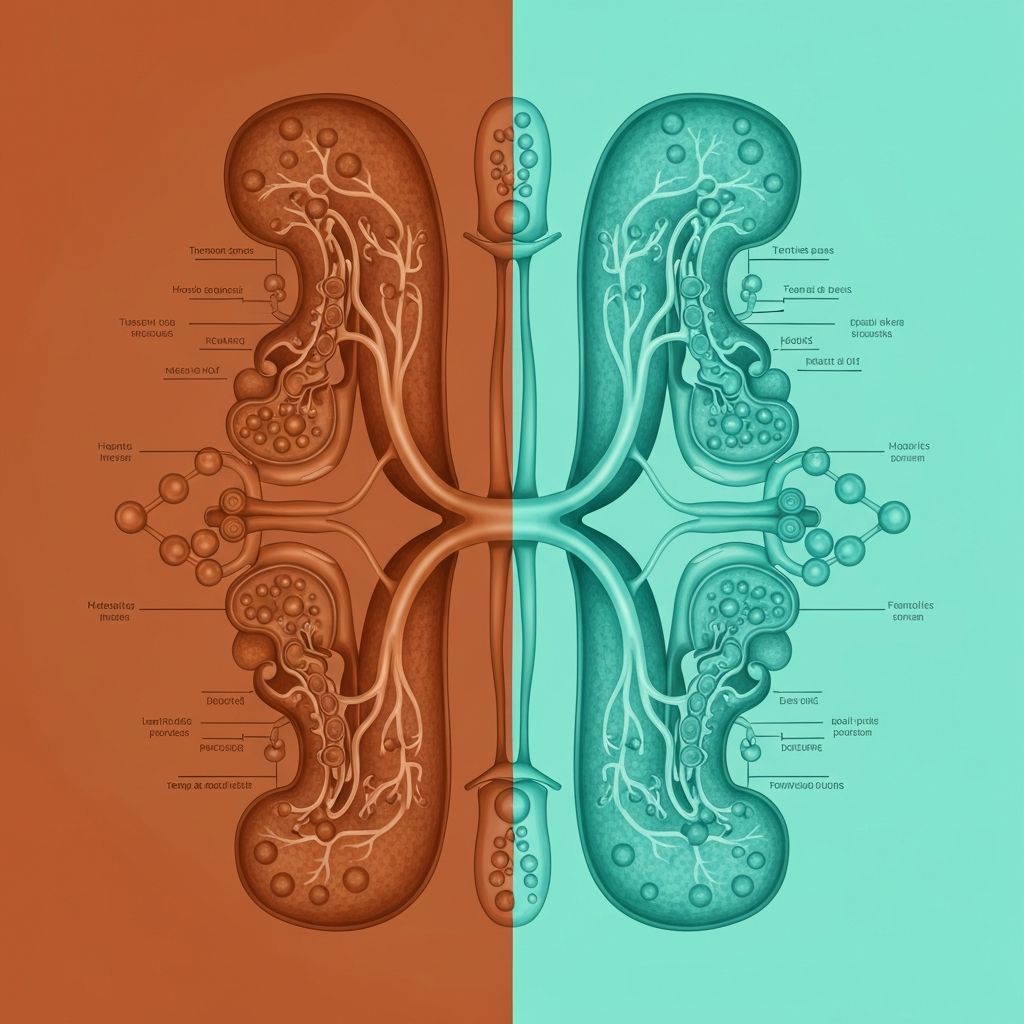
Understanding Brown Adipose Tissue
Brown adipose tissue (BAT) is a specialized form of fat that generates heat through a process called non-shivering thermogenesis. Unlike white adipose tissue, which primarily stores energy, brown fat burns energy to produce heat. This tissue is particularly abundant in infants and small mammals, where it helps maintain body temperature.
Mechanism of Heat Production
Brown fat cells contain numerous mitochondria rich in a protein called uncoupling protein 1 (UCP1). This protein allows the mitochondria to generate heat directly rather than producing ATP, the cell's standard energy currency. When activated, brown fat rapidly burns fatty acids and glucose to produce warmth.
The process of non-shivering thermogenesis provides an alternative to muscle shivering for heat generation. In cold environments, the sympathetic nervous system activates brown fat through norepinephrine release. This triggers the breakdown of stored fats within brown adipocytes and activates UCP1 to produce heat.
Brown Fat in Adults
For many years, scientists believed that brown fat disappeared in human adults. However, research using imaging techniques has revealed that most adults retain some brown adipose tissue, typically in the neck, shoulder, and upper chest regions. The amount and activity of brown fat varies considerably among individuals.
Cold exposure activates brown fat in adults. Repeated cold exposure may increase brown fat volume and activity over time. However, the magnitude of these changes and their metabolic significance varies among individuals. Some people have substantial brown fat depots that respond readily to cold, while others have minimal detectable brown fat activity.
Factors Affecting Brown Fat
Several factors influence brown fat quantity and activity. Younger individuals tend to have more active brown fat than older individuals. Leaner people generally have more active brown fat than those with higher body weight. Regular cold exposure appears to stimulate brown fat development and activity.
Certain hormones and signaling molecules affect brown fat. Thyroid hormones enhance brown fat thermogenesis. Some hormones released during exercise may stimulate the browning of white fat cells, creating beige adipocytes with intermediate properties between white and brown fat.
Energy Expenditure Contribution
The contribution of brown fat to total daily energy expenditure in adults remains a subject of research. When maximally activated by cold exposure, brown fat can increase energy expenditure measurably. However, under normal living conditions at comfortable temperatures, the contribution of brown fat to energy balance is likely modest for most individuals.
Studies suggest that individuals with more active brown fat may have slightly higher resting metabolic rates. However, the magnitude of this effect is typically small compared to other determinants of metabolic rate, such as lean body mass and thyroid function.
Adaptive Thermogenesis
Brown fat activation represents one component of adaptive thermogenesis, the process by which the body adjusts heat production in response to environmental and metabolic demands. During periods of increased food intake, adaptive thermogenesis may increase slightly as the body dissipates excess energy as heat.
Conversely, during energy restriction, adaptive thermogenesis decreases as the body conserves energy. Brown fat activity may decline under these conditions, contributing to reduced energy expenditure. The magnitude of these adaptive changes varies among individuals.
Individual Variability
Considerable variation exists in brown fat quantity and activity among adults. Some individuals have substantial brown fat deposits that activate readily, while others have minimal detectable brown fat. These differences reflect genetic factors, environmental exposures, body composition, and metabolic state.
The functional significance of these individual differences for long-term weight regulation remains uncertain. While brown fat contributes to energy expenditure, its role appears to be one of many factors influencing overall energy balance rather than a dominant determinant.
Limitations and Context
This article provides educational information about brown adipose tissue physiology. Research on brown fat in humans continues to evolve, particularly regarding its significance for metabolic health and energy balance. This content does not provide recommendations for interventions targeting brown fat. Individuals with metabolic concerns should consult qualified healthcare professionals.